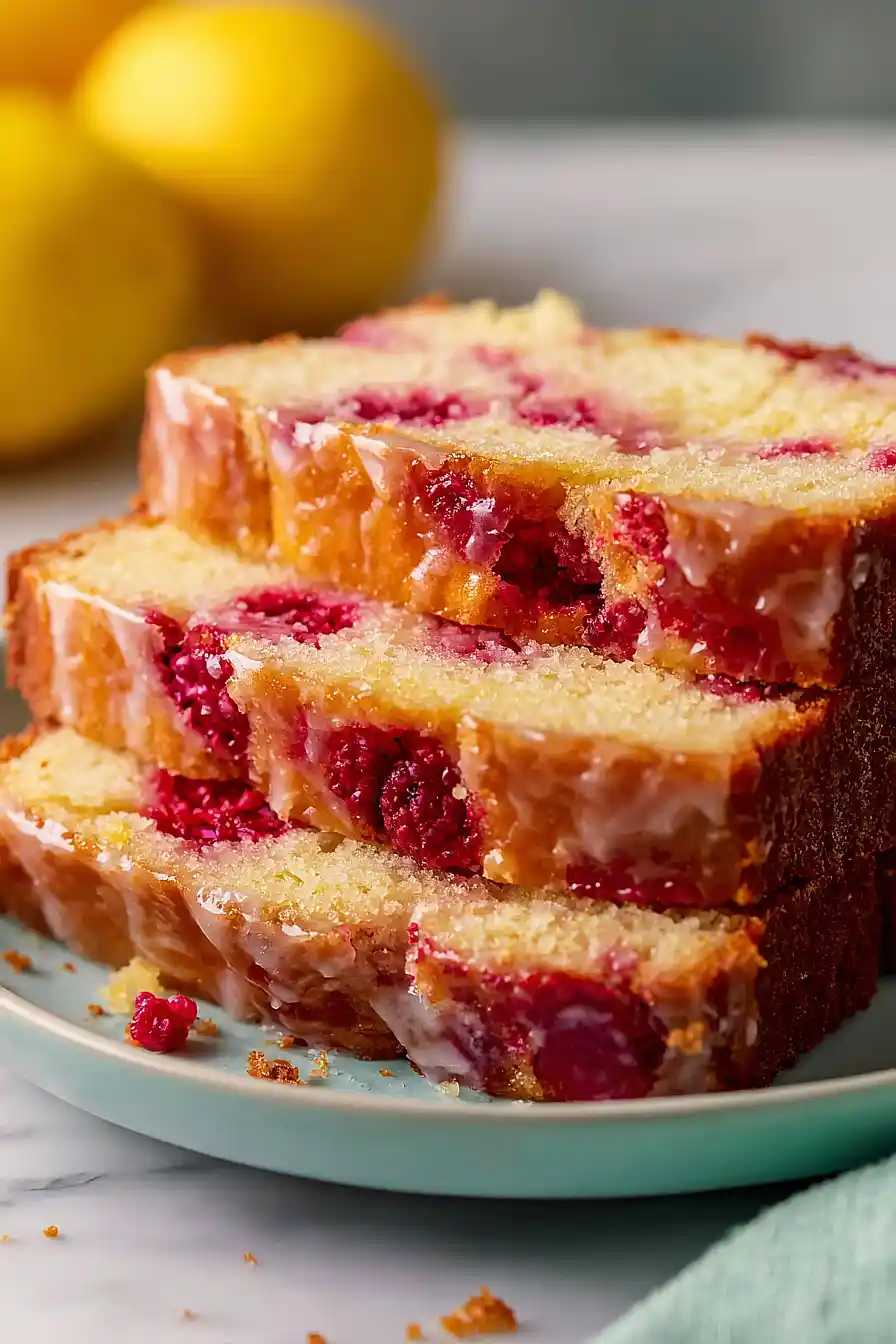
Preheat your oven to 325°F. While the oven heats, grease a loaf pan or 9x5 inch pound cake pan thoroughly with butter or cooking spray, then dust it generously with flour, tapping out any excess. This prevents sticking and creates a delicate crust on the cake's edges.
In a large bowl, beat the softened butter and granulated sugar together until the mixture is light, fluffy, and pale—this should take about 3-4 minutes with an electric mixer. This creaming process incorporates air into the batter, which helps the cake rise evenly and achieve a tender crumb. I prefer using high-quality butter like Kerrygold because it has a higher fat content that creates a richer, more luxurious texture.
Add the room-temperature eggs one at a time to the butter mixture, beating well after each addition until fully incorporated before adding the next egg. This prevents the batter from becoming curdled and ensures a smooth, homogeneous texture. Add the vanilla extract with the last egg and mix until combined. Room-temperature eggs blend much more seamlessly into the batter than cold eggs.
In a separate bowl, whisk together the all-purpose flour and kosher salt. Alternately add the flour mixture and lemonade to the creamed mixture, beginning and ending with the flour—this means you'll add flour, then lemonade, then flour, then lemonade, then flour. Mix gently after each addition just until combined. This alternating method prevents overmixing, which would toughen the cake. Stir in the lemon zest (from the first measurement in the ingredient list) until evenly distributed. The lemonade adds brightness and subtle tartness that balances the sweetness, while the lemon zest reinforces that citrus flavor.
Toss the fresh raspberries with 2 tablespoons of flour (this helps prevent them from sinking to the bottom during baking), then gently fold them into the batter using a rubber spatula with minimal stirring—you want to keep them somewhat whole. Pour the batter into your prepared pan and smooth the top. Bake for 1 hour and 15 minutes to 1 hour and 30 minutes, until a toothpick inserted into the center comes out with just a few moist crumbs (not wet batter). I like to cover the top loosely with foil after 50 minutes if it's browning too quickly, which prevents the exterior from overdrying before the interior finishes cooking.
Remove the cake from the oven and let it cool in the pan for 30 minutes—this allows the structure to set slightly and makes unmolding easier. Turn the cake out onto a wire cooling rack and let it cool completely to room temperature before glazing. This prevents the glaze from melting off a warm cake.
While the cake cools, whisk together the sifted powdered sugar, lemon zest (second measurement), fresh lemon juice, kosher salt, water, and heavy cream in a small bowl until smooth and pourable—the consistency should be thin enough to drizzle but thick enough to cling to the cake. Once the cake is completely cool, drizzle or pour the glaze over the top, letting it cascade down the sides naturally. Allow the glaze to set for at least 15 minutes before serving. The powdered sugar creates a delicate, sweet coating that echoes the lemon flavor throughout the cake.